
 EN
EN
 EN
EN
If a consumer item such as foods, beverages, pharmaceuticals, or household products is packed in a spout pouch, its closure plays a very crucial role, which is not only that of keeping the contents safe but also that of making it easy to use by grown-ups. This aspect assumes even greater significance when there are small children at home because the ease of use of the closure can pose a risk to the safety of the child. The PROA spout pouch closures are specifically developed to cater to the need to make such closures user-friendly and yet protect the small children.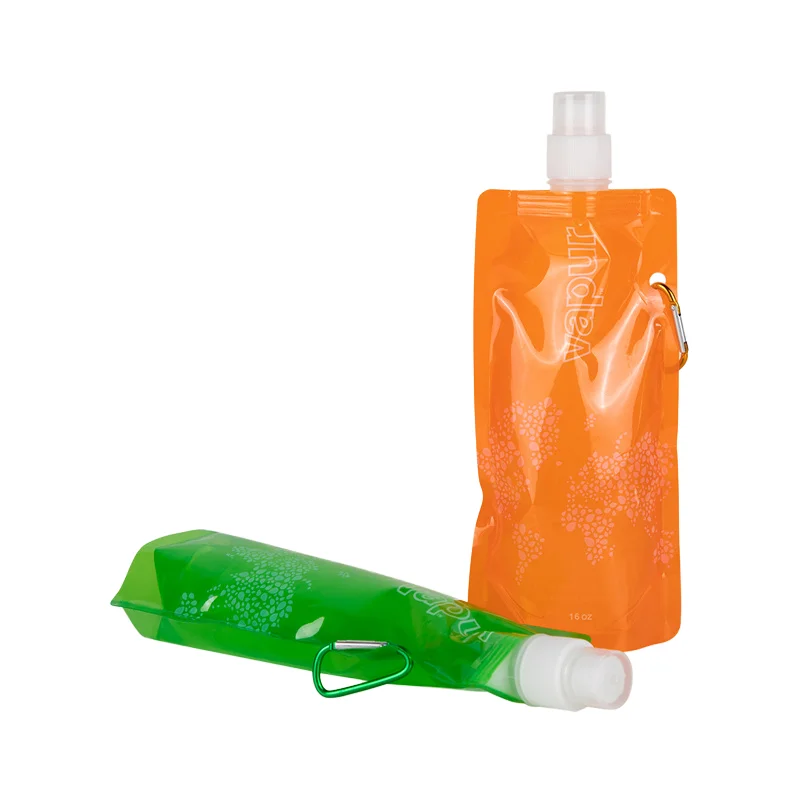
Dual-action opening mechanisms prevent accidental access.
A dual-action closure is designed to make opening a pouch less straightforward for a young child. Instead of opening with one simple movement, the user may need to press, squeeze, push, or complete another action at the same time. This extra step can make a big difference when a curious child picks up a pouch and starts playing with the cap.
For parents, the idea is to keep the process practical. An adult who knows how the closure works can usually learn the opening motion quickly. For example, a parent giving a child a liquid supplement may open the pouch, pour the needed amount, and close the cap again without needing special tools. The closure stays part of the normal routine rather than becoming an extra chore.
When using a pouch with a dual-action closure, it helps to learn the correct opening motion before handing the product to a child. Check that the cap locks properly after closing and avoid leaving the pouch within easy reach of young children. A secure closure works best when combined with safe storage habits.
For manufacturers, the design also needs careful testing. The opening force should be difficult enough for a small child to manage but reasonable for the intended adult user. The cap, spout, and pouch connection should also remain secure through repeated opening and closing. A well-designed system balances these needs instead of focusing only on making the closure harder to open.
This approach is useful for products that may be kept around the home for long periods. A pouch can be convenient to carry and reseal, but its closure should not create an easy path to accidental access. Dual-action mechanisms add a simple physical barrier while keeping the product practical for everyday adult use.
Tamper-evident seals confirm first-opening integrity.
A tamper-evident seal gives users a simple way to check whether a pouch has been opened before. This feature is especially useful for products that may sit on store shelves, travel through delivery networks, or be stored at home before use. When the pouch is opened for the first time, the seal or connected safety feature changes or breaks, making the previous opening easier to notice.
For example, a parent buying a pouch of liquid food or another household product can check the closure before using it. If the seal looks broken, loose, or damaged, the product should be set aside rather than used. This quick check can provide useful reassurance without requiring special equipment.
For everyday use, parents should look at the seal when opening a new pouch and pay attention to any unusual damage around the cap or spout. After the first opening, the tamper-evident feature may no longer provide the same protection, so the pouch should be closed securely after each use and stored properly.
From a packaging design perspective, the seal needs to work together with the main closure. It should remain intact during normal handling, transport, and storage but show clear signs when the package has been opened. The connection between the spout, cap, and pouch also needs to be strong enough to prevent accidental separation.
A tamper-evident feature does not replace safe storage or child-resistant closure design. Instead, it adds another layer of information for the person using the product. Parents can quickly check the package, recognize whether the pouch appears unopened, and then rely on the resealable closure during normal use. This combination makes the packaging easier to check while supporting safer handling at home.
Easy-pour spouts reduce spills during feeding times
Feeding a young child can get messy quickly, especially when a pouch contains juice, milk, puree, or another liquid food. A well-designed spout can make pouring more controlled by directing the contents through a smaller opening instead of forcing the parent to handle a wide package. This can help reduce sudden splashes and make feeding a little easier.
For example, a parent preparing a fruit puree for a toddler may need to pour only a small amount at a time. A controlled spout allows the parent to adjust the flow by changing the angle of the pouch. This is helpful when filling a spoon, cup, or feeding container. Less product may end up on the table, clothes, or floor.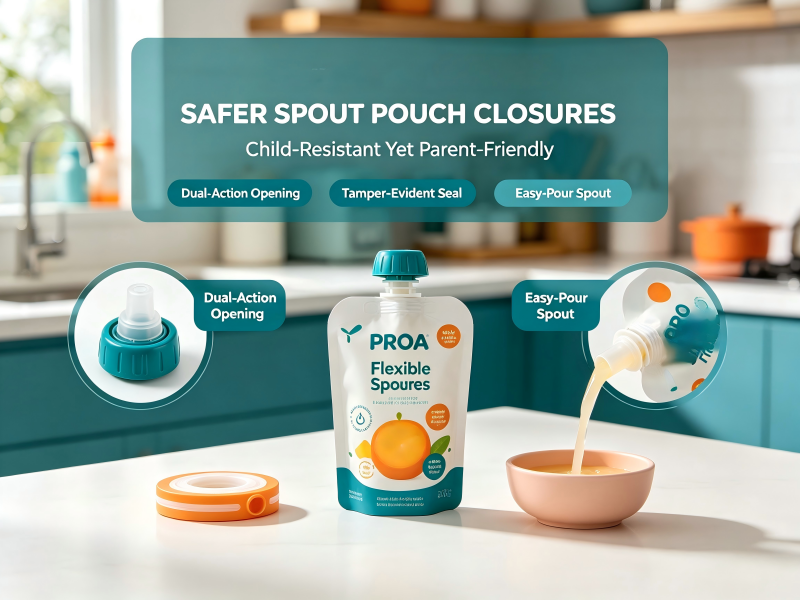
To get the best results, hold the pouch steadily and pour slowly, especially when using it for the first time. Avoid squeezing the pouch too hard because pressure can push the contents out faster than expected. After feeding, close the cap firmly and check that the stand-up pouch is not blocked by leftover product.
Spout design also matters when the pouch is used repeatedly. A smooth opening can make cleaning around the cap easier, while a secure closure helps prevent leaks between uses. For parents who carry food pouches in a bag, reducing the chance of leakage can also make daily trips less stressful.
Easy-pour spouts do not remove every feeding mess, but they can make the flow easier to control. When combined with a secure cap and suitable pouch structure, the design supports a simpler feeding routine while helping parents handle the product with less waste and fewer accidental spills.

President of yaen Import and Export Materials Manufacturer | 25 Years' Industrial fabrics manufacturer, professional production team, strict online and offline inspection method, makes DER products well distributed to more than 100 countries all over the world.