
 EN
EN
 EN
EN
With people becoming more concerned about waste management and protecting the environment, there is a big revolution taking place in food packaging. Multi-layer plastic food packaging has been extensively used due to their excellent barrier properties; however, recycling of these multi-layered materials poses challenges. Single-layer recyclable spout pouch are becoming a new choice for brands looking for an alternative for better packaging. Comprised of one recyclable material, such pouches not only provide food protection but also make it easy to recycle these pouches. From baby food to sauces and beverages, this package format is contributing to creating a more sustainable future for food packaging.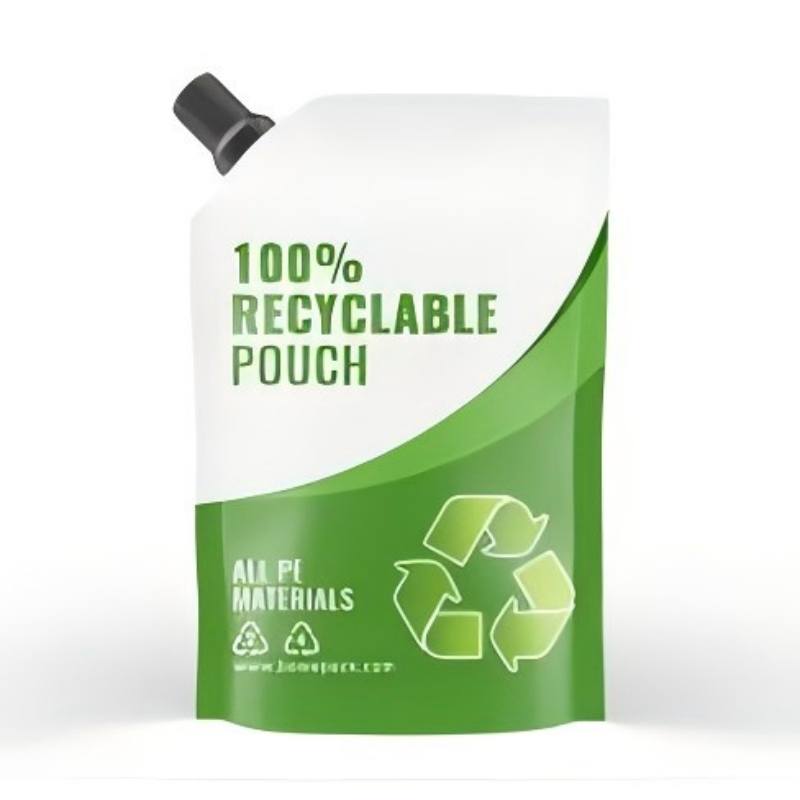
Mono-material design for full recyclability.
One of the biggest advantages of recyclable single-material spout pouches is their simple material structure. Traditional flexible food packaging often uses several layers made from different plastics, aluminum, and adhesive films. These layers work well for keeping products fresh, but they are difficult to separate during recycling. A mono-material pouch solves this challenge by using one main type of plastic, making the package easier to process after use.
For example, a food company producing fruit puree pouches for children may need packaging that protects the product from air, moisture, and contamination. A single-material spout pouch made from recyclable polyethylene (PE) can provide the needed protection while keeping the structure simple. After consumers finish the product, the pouch has a better chance of entering an appropriate recycling stream compared with mixed-material packaging.
The mono-material approach also helps brands rethink how they design their products. Instead of adding multiple layers for different functions, manufacturers focus on improving one material so it can handle strength, sealing, printing, and barrier needs. This creates packaging that balances product safety with environmental goals.
For consumers, the difference may seem small because the pouch still looks and feels similar to common flexible packaging. However, the change happens behind the scenes. A single-material structure reduces the difficulty of sorting and recycling, which supports a more efficient recycling system.
When choosing this type of packaging, companies should check the recycling requirements in their target markets. A pouch designed for recyclability needs to match local recycling facilities and collection systems. Clear labeling and proper disposal instructions also help consumers make better choices.
As more food brands move toward sustainable packaging, mono-material spout pouches show how smart design can reduce waste without giving up convenience. They offer a practical step toward creating packaging that fits modern lifestyles while supporting a circular approach to materials.
Reducing plastic complexity without compromising performance.
Food packaging needs to do more than just hold a product. It must protect food quality, prevent leaks, handle transportation, and provide convenience for customers. In the past, manufacturers often used complex multi-layer plastic structures to achieve these goals. Each layer had a different job, such as blocking oxygen, preventing moisture loss, or adding strength. While this design worked well, it also created challenges when the package reached the end of its useful life.
Recyclable single-material spout pouches are changing this approach by simplifying the packaging structure while maintaining the performance that food products need. Through improved material technology and better production methods, one type of plastic can now provide many of the functions that once required several different layers.
For example, a sauce manufacturer may need a pouch that can protect flavor, resist punctures, and stay stable on store shelves. A well-designed mono-material pouch can achieve these requirements without adding layers made from different materials. This helps reduce material complexity while still giving customers a reliable package for daily use.
Another benefit of reducing plastic complexity is easier quality control during manufacturing. When fewer materials are involved, companies can better manage production processes, reduce material waste, and create more consistent packaging. This can be especially helpful for food brands producing large volumes of products such as drinks, snacks, baby food, and cooking ingredients.
However, simplifying packaging does not mean removing important features. Modern single-material pouches can still include strong seals, easy-open spouts, and printing options that help products stand out on shelves. The focus is on creating a balance between convenience, product protection, and recyclability.
For brands exploring greener packaging, the goal is not simply to use less plastic. The goal is to design plastic packaging in a smarter way. By reducing unnecessary material combinations, single-material spout pouches provide a practical solution that supports recycling while meeting the everyday needs of both manufacturers and consumers.
Aligning with global circular economy goals
The idea of a circular economy is based on keeping materials in use for as long as possible. Instead of creating products, using them once, and sending them to waste facilities, a circular system focuses on reducing waste, improving recycling, and giving materials a second life. Recyclable single-material spout pouches support this goal by making food packaging easier to manage after use.
Many countries and regions are introducing stronger rules and targets for reducing plastic waste. Food brands are now looking for packaging solutions that can meet these changing expectations while still protecting their products. Single-material pouches provide a way to move closer to circular packaging because they are designed with recycling in mind from the beginning.
For example, a beverage company selling juice pouches may switch from a mixed plastic structure to a recyclable mono-material design. The product can still offer the same convenience for customers, such as a lightweight package and easy-to-use spout, while reducing the difficulty of handling the packaging after disposal. Small changes like this, when adopted by many brands, can create a larger impact on waste reduction.
A circular economy also depends on cooperation between different parts of the supply chain. Packaging manufacturers, food companies, recycling facilities, and consumers all play a role. A recyclable pouch alone cannot create a complete recycling system. Clear recycling labels, better collection programs, and consumer awareness are also needed to help materials return to the production cycle.
For businesses, adopting recyclable single-material packaging can also encourage more responsible product development. Companies can review their packaging choices, reduce unnecessary material use, and prepare for future environmental standards.
The shift toward circular packaging is not about changing everything overnight. It is about making practical improvements that reduce waste step by step. Recyclable single-material spout pouch packaging represent one of these improvements, offering a packaging option that supports resource recovery while continuing to meet the needs of modern food products.

President of yaen Import and Export Materials Manufacturer | 25 Years' Industrial fabrics manufacturer, professional production team, strict online and offline inspection method, makes DER products well distributed to more than 100 countries all over the world.