
 EN
EN
 EN
EN
Spouts used in food packaging have gained popularity due to their light weight, convenience, and usability in applications such as baby food, sauces, drinks, and nutrition liquids. Nonetheless, developing an acceptable food pouch does not end with choosing quality packaging material alone. The food manufacturer needs to adhere to the required material compliance guidelines and develop aseptic conditions in the production process to ensure the safety of the food from the manufacturing plant to the consumer. Each of the layers involved in the manufacturing process, the sealing procedure, and the production process is instrumental in ensuring contamination-free packaging of the item.
FDA & EU food-contact material certifications.
When producing food-grade spout pouch , choosing materials that meet food-contact safety standards is one of the first steps. The packaging material must be safe when it touches food or beverages and should not release harmful substances into the product. This is why many pouch manufacturers follow regulations from organizations such as the U.S. Food and Drug Administration (FDA) and the European Union (EU) food-contact material standards.
FDA compliance focuses on making sure packaging materials are suitable for their intended food applications. For example, a spout pouch used for juice, yogurt, or baby food needs materials that can handle moisture, acidity, and storage conditions without affecting product safety. Manufacturers usually select approved plastic films, adhesives, and inks that have been tested for food-contact use.
The EU has its own strict requirements, including rules for plastic materials that come into contact with food. These standards cover areas such as chemical migration limits, material composition, and production control. A pouch that passes these requirements must show that substances from the packaging will not move into the food at unsafe levels.
For brands selling products in different markets, certification helps reduce risks during export. A baby food company, for example, may need packaging that meets both FDA and EU requirements before entering stores in North America and Europe. Using compliant materials from the beginning helps avoid problems such as product recalls, delayed shipments, or customer concerns.
Manufacturers should also ask suppliers for supporting documents, such as compliance statements, testing reports, and details about raw materials. Regular checks are important because changes in film suppliers, adhesives, or printing methods can affect the final pouch performance.
Food safety starts with the materials used to make the pouch. By selecting certified food-contact materials and working with controlled production processes, companies can create spout pouches that protect the product while meeting the expectations of consumers and global markets.
Sterile filling environments for extended shelf life.
Sterile Filling Environments for Extended Shelf Life
A safe food-grade spout pouch depends not only on the packaging material but also on how the product is filled and sealed. Even a high-quality pouch can lose its protective ability if the filling process allows bacteria, dust, or other contaminants to enter. This is why many manufacturers use sterile or aseptic filling environments to help maintain product quality and extend shelf life.
Aseptic filling means the food product, packaging material, and filling equipment are treated to reduce harmful microorganisms before they come together. The process usually takes place in a controlled area where air quality, temperature, and cleanliness are carefully managed. Workers also follow strict hygiene procedures, including protective clothing, regular sanitation, and equipment cleaning.
For products like milk drinks, fruit purees, sauces, and liquid baby food, sterile filling is especially important. For example, a baby food brand may need a pouch that can stay safe for months without refrigeration. Aseptic processing allows the product to maintain its taste, texture, and nutritional value while reducing the need for preservatives.
The filling machine also plays a key role. Modern systems are designed to limit human contact during production, which lowers the chance of contamination. Before filling begins, the equipment and pouch components are often sterilized using approved methods such as heat treatment or other safe sterilization processes.
Manufacturers should pay attention to the entire filling environment, not just the pouch itself. Regular cleaning schedules, employee training, and quality checks help keep production conditions stable. A small issue, such as poor sealing or an unclean filling area, can affect the safety and storage time of the final product.
By combining compliant packaging materials with a controlled sterile filling process, food companies can produce spout pouches that stay fresh longer and provide consumers with safer, more convenient products.
Strict migration testing for consumer safety
Strict Migration Testing for Consumer Safety
Food-grade spout pouches must do more than protect products from leaks and damage. They also need to make sure that the packaging materials do not transfer unwanted substances into food. This is where migration testing becomes an important part of quality control. The process checks whether chemicals from films, adhesives, inks, or other pouch components can move into the packaged product under normal storage conditions.
During testing, manufacturers place packaging samples in contact with approved testing liquids that represent different types of food. For example, acidic foods like fruit drinks, oily products like sauces, and water-based foods may interact with packaging materials in different ways. The tests help confirm that the pouch remains safe for its intended use.
Temperature and storage time are also considered during migration tests. A pouch designed for refrigerated juice may have different requirements from one used for shelf-stable baby food stored at room temperature. Testing under realistic conditions helps manufacturers understand how the packaging will perform throughout the product's expected shelf life.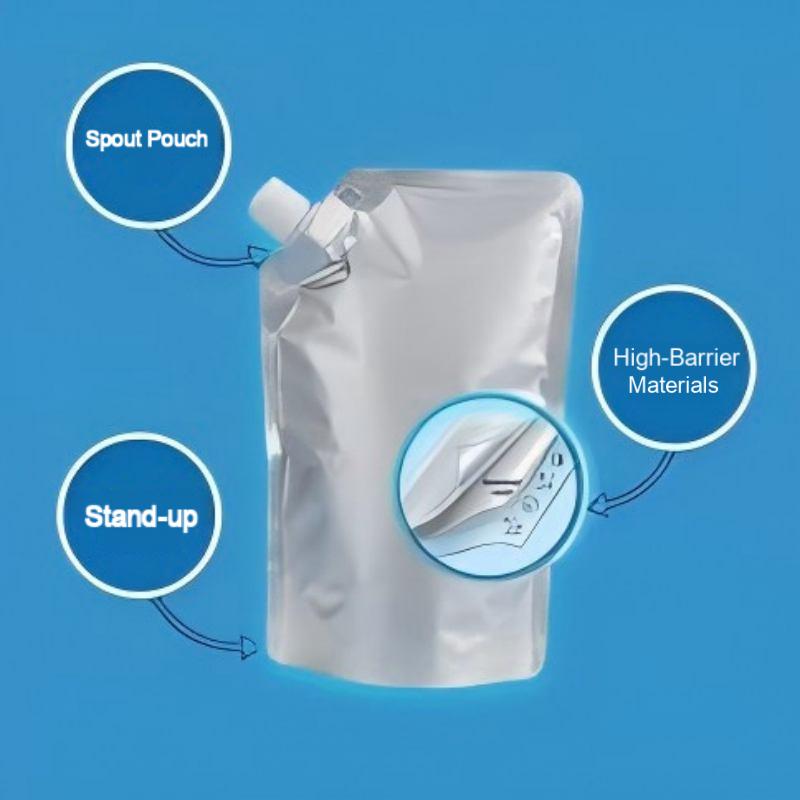
A practical example can be seen with ready-to-eat puree products. These products often stay inside the pouch for several months before reaching consumers. Without proper migration testing, substances from the packaging layers could affect food quality or create safety concerns. By completing strict tests before production, manufacturers can identify material issues early and make improvements.
Reliable testing also supports brand trust. Consumers may not see the layers inside a spout pouch packaging , but they expect the packaging to be safe when they open it. Food companies should work with suppliers that provide clear testing records and maintain consistent quality checks during production.
Migration testing is a key step in creating safe food packaging. When combined with certified materials and clean manufacturing practices, it helps ensure that spout pouches can store food products safely while meeting the expectations of customers and food safety regulations.

President of yaen Import and Export Materials Manufacturer | 25 Years' Industrial fabrics manufacturer, professional production team, strict online and offline inspection method, makes DER products well distributed to more than 100 countries all over the world.