
 EN
EN
 EN
EN
When parents choose products like baby food, the first concern will usually be safety. The need is for packages that would guarantee protection of the food from the place of manufacturing through to the last time it is consumed, whether it is packed in a diaper bag, accidentally dropped on the floor, or kept for later consumption. For this reason, spout pouch of infant grade soft-pack are developed to withstand harsh everyday conditions. Most of them are designed in a way that allows them to withstand an accidental drop as well as undergo high temperatures of sterilization when being manufactured.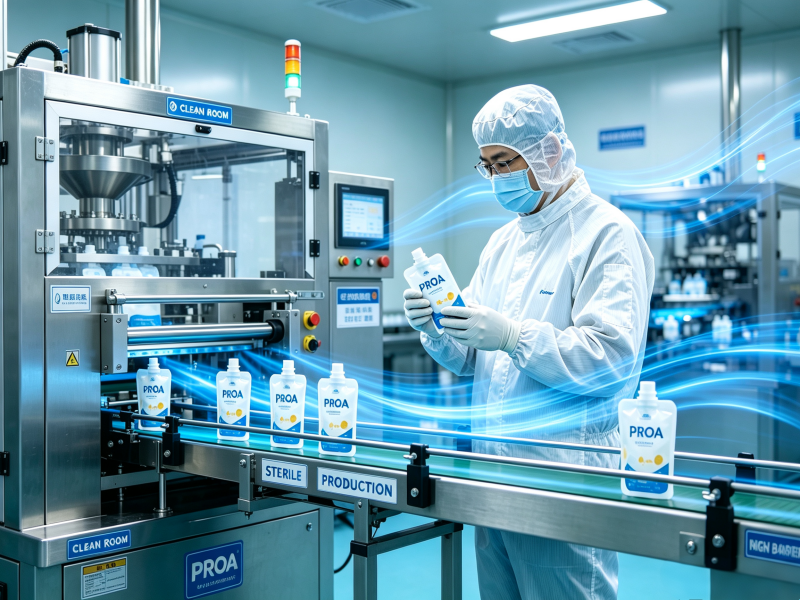
Superior drop resistance from 1.2 meters and above.
Baby food pouches are often handled many times before they reach a child's hands. They are packed into shipping boxes, placed on store shelves, carried in shopping bags, and tossed into diaper bags for busy days out. Along the way, accidental drops are almost impossible to avoid. That is why many infant-grade soft-pack spouts are designed to withstand drops from 1.2 meters or higher without breaking or leaking.
A drop-resistant design starts with the right materials. High-quality food-grade plastics offer a good balance of strength and flexibility. Instead of cracking under impact, the spout and cap can absorb part of the force. The connection between the spout and the pouch is also carefully sealed to prevent small openings that could allow leaks or contamination after a fall.
The cap plays an important role as well. A secure screw cap with well-designed threads stays tightly closed during normal handling. Some manufacturers also test the cap's sealing performance after repeated drops to make sure it still protects the food inside.
Drop testing is a common part of quality control. Filled pouches are dropped from different heights onto hard surfaces in several positions, such as landing on the bottom, side, or cap. After each test, the package is checked for cracks, loose caps, seal damage, and leaks. Only packaging that passes these tests moves forward to production.
Think about a parent carrying baby food to the park. The pouch slips out of the diaper bag and lands on a concrete path. If the package remains sealed, the food stays clean and ready to use. That small moment shows why drop resistance matters in everyday life.
For food brands, choosing packaging that passes strict drop tests helps reduce damaged products during shipping and gives parents more confidence that the baby food will stay safe from the factory to feeding time.
Retort-ready materials withstand 121°C sterilization.
High-temperature sterilization is one of the most important steps in producing safe baby food. Many fruit purees, vegetable blends, and ready-to-eat meals are packed into soft pouches before they go through a retort process. During this process, the sealed packages are heated to around 121°C under controlled pressure to destroy harmful bacteria while helping the food stay fresh for a longer time.
Not every packaging material can handle these conditions. Infant-grade soft-pack spouts use retort-ready materials that keep their strength and shape even after exposure to high heat. The pouch film, spout, and cap are selected to work together so they do not soften, crack, or lose their seal during sterilization. This helps protect both the food and the package from damage.
The sealing area is just as important as the materials themselves. Strong heat seals prevent leaks while the package expands and contracts as temperatures change. A weak seal can allow air or bacteria to enter, which may shorten shelf life or make the product unsafe. For this reason, manufacturers carefully control sealing temperature, pressure, and sealing time during production.
Quality testing does not stop after sterilization. Retorted pouches are checked for seal strength, appearance, leakage, and overall performance. Some manufacturers also carry out pressure tests and storage tests to confirm that the packaging remains reliable throughout transportation and normal shelf life.
A good example is a baby fruit puree that can be stored in a kitchen cupboard instead of a refrigerator before opening. The food stays safe because the combination of proper sterilization and durable packaging protects it from outside contamination. Parents can simply open the pouch when needed without worrying that the package has been weakened by the heat treatment.
By using retort-ready materials that can withstand 121°C sterilization, infant-grade soft-pack spouts help maintain food safety, preserve product quality, and support dependable packaging from the production line to the family's home.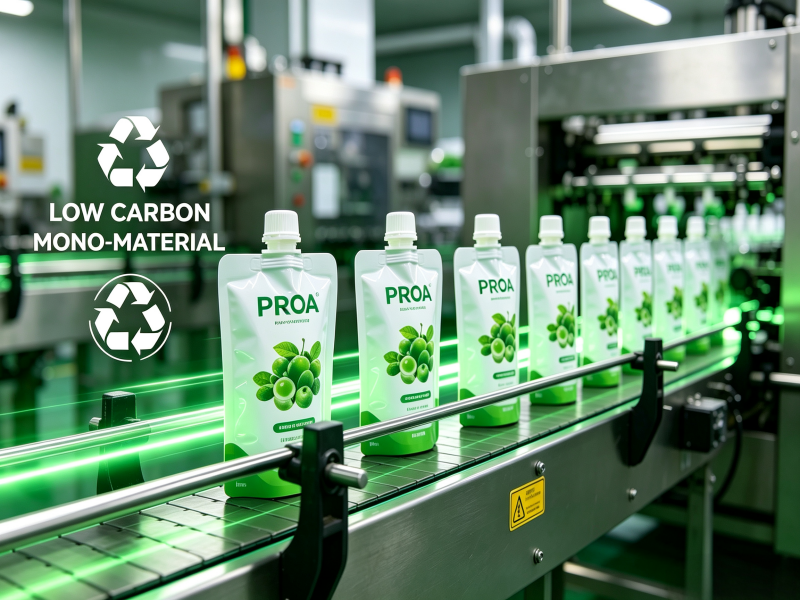
Leak-proof seals ensure zero contamination risks
A strong seal is one of the most important parts of infant-grade soft-pack packaging. Even the best pouch material cannot fully protect baby food if the seal is weak or damaged. Leak-proof sealing keeps air, moisture, dust, and harmful bacteria from entering the package, helping the food remain safe until it is opened.
Creating a reliable seal starts with careful control during manufacturing. The pouch film and spout are joined using precise heat and pressure, forming a tight bond that can handle filling, sterilization, transportation, and daily handling. The cap is also designed to fit securely, creating another layer of protection against leaks and outside contaminants.
Manufacturers check seal quality through several tests before products leave the factory. Filled pouches may go through pressure testing, vacuum testing, burst testing, and leak detection inspections. These tests help confirm that the package stays sealed even after being exposed to shipping, stacking, temperature changes, and repeated handling. Any package that does not meet quality standards is removed before distribution.
Think about a family spout pouch packaging baby food for a long road trip. The pouch may stay inside a crowded diaper bag with bottles, toys, and extra clothes for several hours. If the seal remains secure, parents do not have to worry about messy leaks or the food being exposed to outside contaminants. The baby food stays clean and ready to serve whenever it is needed.
Good sealing also helps reduce food waste. Packages that stay intact are less likely to be thrown away because of leaks or damaged closures during transport or storage. This benefits both manufacturers and families by reducing product loss and giving consumers greater confidence in the packaging.
While no packaging system can promise absolute zero risk under every possible condition, high-quality leak-proof seals greatly reduce the chance of contamination when they are properly designed, manufactured, and handled. Combined with strict quality control, they provide dependable protection that helps keep infant food safe from production to feeding time.

President of yaen Import and Export Materials Manufacturer | 25 Years' Industrial fabrics manufacturer, professional production team, strict online and offline inspection method, makes DER products well distributed to more than 100 countries all over the world.