
 EN
EN
 EN
EN
The flexible packaging of food products has revolutionized how food companies have to account for their costs from the point of manufacture to shelf display. Although glass bottles have been known for their robustness and high-end appeal, they do increase costs due to their heaviness and vulnerability to damage during transportation, warehousing, and handling. On the other hand, flexible packaging pouch uses lighter materials that make it cheaper to transport and handle. In most cases, food companies have registered reduced logistics costs after using flexible packaging, with many reducing their costs of warehousing and transportation by up to 30%. It is essential to understand how such savings are made so as to inform packaging choices for food products.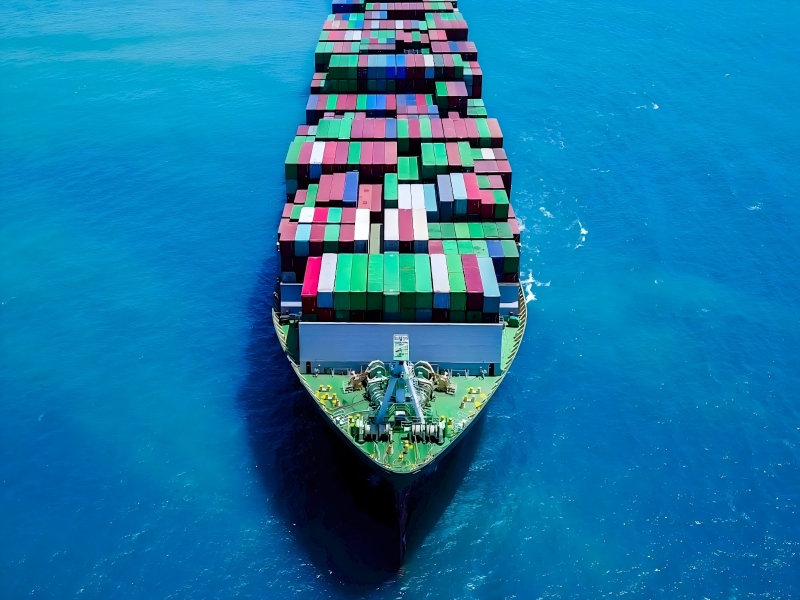
Lightweight structure slashes freight expenses.
Lightweight packaging makes a big difference when shipping food products. Traditional glass containers are heavy even before they are filled, which means every truck, shipping container, or delivery van carries extra weight. That added weight increases fuel use and transportation costs throughout the supply chain. Flexible food packaging, on the other hand, weighs only a small fraction of glass. This allows businesses to move the same amount of product while using less fuel and making better use of available cargo space.
Think about a company shipping fruit puree to supermarkets across the country. If the product is packed in glass jars, each pallet becomes much heavier. Fewer products fit within the truck's legal weight limit, so more trips may be needed to deliver the same order. By switching to lightweight pouches, the company can load more products onto each truck without exceeding weight restrictions. Fewer shipments often lead to lower freight bills and reduced fuel consumption.
The benefits become even greater for international shipping. Ocean freight and air cargo charges are often based on weight or a mix of weight and volume. Every kilogram saved can lower shipping costs, especially for businesses exporting products over long distances. This is one reason many food brands have replaced glass packaging with flexible options for products such as sauces, baby food, beverages, and snack items.
Lighter packaging also helps during handling. Warehouse workers can move cartons more easily, reducing physical strain and improving daily productivity. Delivery teams can unload products faster, helping businesses save time during distribution. At the same time, the lower weight places less stress on pallets and transport equipment, which may reduce maintenance costs over time.
Of course, packaging must still protect the food inside. Modern flexible packaging is designed with strong barrier materials that help keep products fresh while standing up to normal transportation conditions. When businesses compare the total cost of shipping, storage, and handling, the lightweight design of flexible food packaging often delivers savings that extend well beyond the freight invoice.
Flat storage and collapsible design optimize warehouse space.
Before they are filled, flexible food packages take up far less space than empty glass bottles or jars. Glass containers must be stored in their final shape, so they quickly fill warehouse shelves and require careful stacking to avoid breakage. Flexible pouches arrive flat and can be stacked in compact bundles, allowing businesses to store a much larger quantity in the same area.
This difference becomes valuable as production grows. A food manufacturer preparing for a seasonal sales peak may need hundreds of thousands of empty packages on hand. If those packages are glass jars, the company may need additional warehouse space or more frequent deliveries from suppliers. With flexible pouches, the same number of packages can often fit into a much smaller storage area, helping businesses avoid extra storage costs.
Better use of warehouse space also improves daily operations. Workers spend less time moving bulky packaging from one location to another, and forklifts have more room to travel safely through storage aisles. When storage areas are less crowded, it is easier to organize inventory and locate the right packaging when production begins. This can help reduce delays during busy manufacturing periods.
The space savings continue after products are packed and shipped. Flexible packages are easier to arrange inside cartons because they can adapt to the available space. This often allows more finished products to fit on each pallet, making storage and transportation more efficient. Businesses can move more products without increasing the number of pallets or warehouse racks they need.
A small sauce producer offers a good example. As customer demand increased, the company found its warehouse filling up with empty glass bottles months before production started. After changing to stand-up pouches, the business was able to store several months' worth of packaging in a much smaller area. The extra warehouse space was then used for finished products and raw ingredients instead of empty containers.
Making better use of warehouse space does more than lower storage costs. It creates a smoother workflow, supports faster production, and gives businesses greater flexibility as demand changes throughout the year.
Lower breakage rates reduce insurance and replacement costs
Glass packaging offers a premium appearance, but it also comes with a higher risk of damage during storage, shipping, and handling. Even with careful packing, glass containers can crack or break if they are dropped, stacked incorrectly, or exposed to strong impacts during transport. Every broken container means wasted product, extra cleanup, replacement shipments, and possible customer complaints. Flexible food packaging helps reduce these problems because it is much more resistant to everyday handling.
Most flexible pouches are designed to bend rather than break. If a carton is bumped during loading or shifts while being transported, the packaging is less likely to be damaged. This added durability helps protect both the product and the people handling it. Warehouse workers also face fewer safety risks because there is no broken glass to clean up.
Lower breakage rates can also reduce business expenses that are easy to overlook. Companies often spend money replacing damaged products, processing customer claims, and managing returns. Insurance costs may also increase if shipments regularly experience damage. By reducing the number of broken packages, businesses can lower these unexpected costs and improve overall supply chain performance.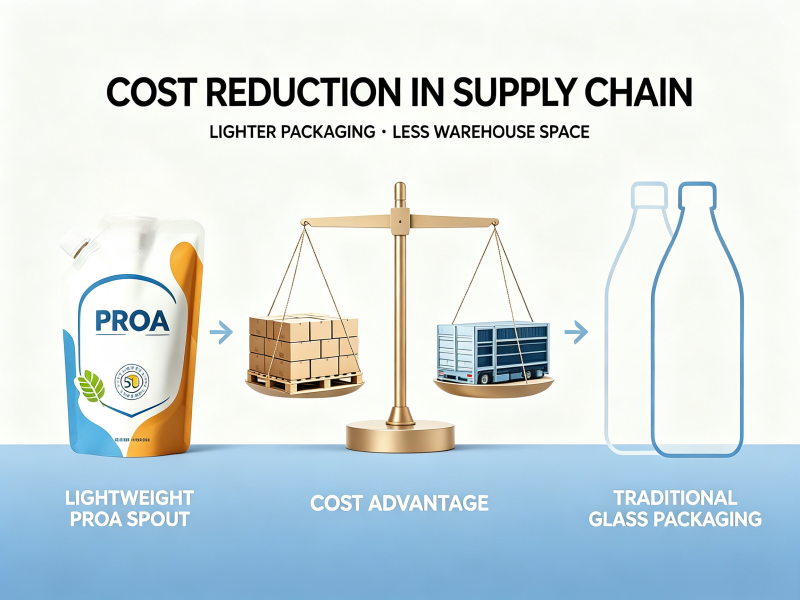
Imagine an online food retailer shipping premium pasta sauces across the country. Glass jars may require extra protective materials such as bubble wrap, cardboard dividers, or foam inserts to reduce the chance of breakage. Even with these precautions, some jars may still arrive damaged. Flexible pouches usually need less protective flexible packaging for spout while offering better resistance to drops and impacts, helping both the seller and the customer avoid the frustration of damaged deliveries.
Lower breakage also supports stronger customer relationships. Receiving an order in perfect condition builds confidence in the brand, while broken products can leave a negative impression, even if the company quickly replaces them. Fewer damaged shipments mean fewer service requests and a smoother buying experience.
When businesses look beyond the price of the packaging itself, the savings from reduced product loss, fewer replacements, and lower damage-related costs can make flexible food packaging an attractive choice for improving both efficiency and customer satisfaction.

President of yaen Import and Export Materials Manufacturer | 25 Years' Industrial fabrics manufacturer, professional production team, strict online and offline inspection method, makes DER products well distributed to more than 100 countries all over the world.