
 EN
EN
 EN
EN
The choice of the correct printing process can be very important when creating food flexible packaging for spout . Sometimes, the most appropriate printing technology is not the cheapest in terms of cost per unit of goods. Order volume, modifications, delivery period, as well as further plans, should be taken into account. Most often, many food manufacturers produce samples first, then launch them in mass production. Therefore, selection of the appropriate printing process can help save on time and costs. Having known about the advantages of digital and flexographic printing technologies, one can make the right choice of food packaging considering all peculiarities of a product.
Send me your first subtitle, and I'll continue with a natural, reader-friendly section of about 300 words that matches the same style and tone.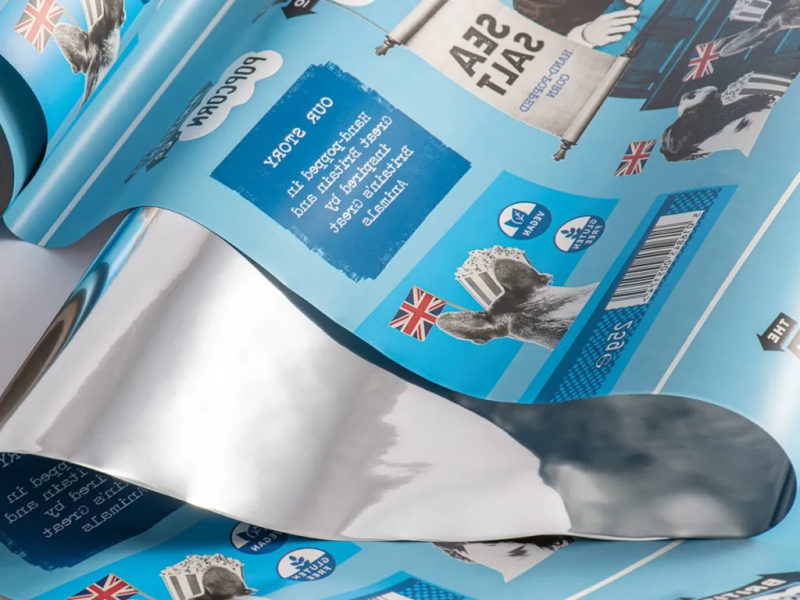
Digital for rapid sampling and short-run personalization.
Digital printing has become a popular choice for food brands that need packaging samples quickly or want to produce small batches without spending a large amount on setup. Unlike traditional printing methods, digital printing does not require printing plates. This means artwork can be printed almost immediately after the design is approved, making it a practical option for product testing, seasonal promotions, and limited-edition packaging.
For example, a startup launching a new fruit puree may only need a few hundred spout pouches for a local market trial. Instead of investing in expensive plates for a small order, the company can use digital printing to receive professionally printed packaging in a short time. If customer feedback leads to design changes, the artwork can be updated easily before the next batch is printed. This helps reduce waste and keeps development costs under control.
Short-run personalization is another area where digital printing performs well. Food manufacturers can create different package designs for different flavors, languages, or regional markets without stopping production to change printing plates. This gives brands more freedom to test new ideas and respond to customer preferences.
For businesses introducing new products, speed is often just as valuable as cost savings. Faster packaging production means products can reach store shelves sooner, allowing companies to gather market feedback earlier and adjust their strategy if needed.
PROA supports this development process by offering digital printing solutions designed for rapid sampling and low-volume production. Customers can evaluate colors, graphics, and packaging structure before moving to larger production runs. This step helps reduce the risk of costly revisions later while giving brands greater confidence that the final packaging will match their expectations. When product designs are still evolving or order quantities are limited, digital printing offers a flexible and practical starting point for food flexible packaging.
Flexo for high-volume, low-cost mass production.
When packaging demand grows from hundreds of units to tens or even hundreds of thousands, flexographic printing often becomes the more economical choice. Although it requires printing plates before production begins, the setup cost is spread across a large number of packages. As order volumes increase, the cost per pouch becomes much lower than digital printing, making flexographic printing a smart option for long-term production.
A good example is a sauce manufacturer that has already completed product testing and secured nationwide distribution. The packaging design is finalized, and the company plans to produce 300,000 spout pouches every month. At this stage, changing the artwork is no longer a priority. Instead, keeping production costs low while maintaining consistent print quality becomes the main goal. Flexographic printing is well suited for this type of stable, high-volume manufacturing.
Another advantage is production efficiency. Once the printing plates are prepared and the press is running, flexographic printing can produce large quantities at high speed. This helps manufacturers meet delivery schedules while keeping unit costs competitive. Modern flexographic technology also delivers sharp graphics, vibrant colors, and reliable print consistency, making it suitable for food brands that want packaging to look the same across every production batch.
Many established food companies use a simple approach. They begin with digital printing to test new products, gather customer feedback, and fine-tune the package design. After the product proves successful and sales become more predictable, they switch to flexographic printing for regular production. This allows them to balance flexibility during development with better cost control during large-scale manufacturing.
PROA supports both stages of this journey. Customers can start with digital samples to confirm artwork, colors, and package performance, then move smoothly into flexographic production when volumes increase. Choosing the right printing method at the right time helps reduce overall packaging costs while ensuring quality, efficiency, and dependable supply as the business continues to grow.
Hybrid strategies balancing lead time and budget
Many food brands do not have to choose only one printing method. A hybrid strategy combines digital printing and flexographic printing, allowing businesses to match the printing process with each stage of product development. This approach helps balance lead time, production costs, and market flexibility while avoiding unnecessary expenses.
A common example is a company preparing to launch a new beverage. Before investing in large-scale production, the brand uses digital printing to create a few hundred pouches for product testing, retailer presentations, and consumer feedback. Since digital printing does not require printing plates, the samples can be produced quickly, and design changes can be made without adding major costs. This allows the marketing and product teams to fine-tune the packaging before making a long-term commitment.
Once the product gains steady sales and the packaging design is finalized, the company can move to flexographic printing for regular production. The initial plate investment is offset by lower unit costs, making it more economical for larger order volumes. Instead of treating digital and flexographic printing as competing options, businesses can use each process where it delivers the greatest value.
This strategy also works well for companies that regularly introduce new flavors or seasonal products. Core products with stable demand can remain on flexographic production, while limited-edition items, promotional campaigns, or market-specific designs are printed digitally. This gives brands the flexibility to respond to changing customer preferences without disrupting their main production schedule.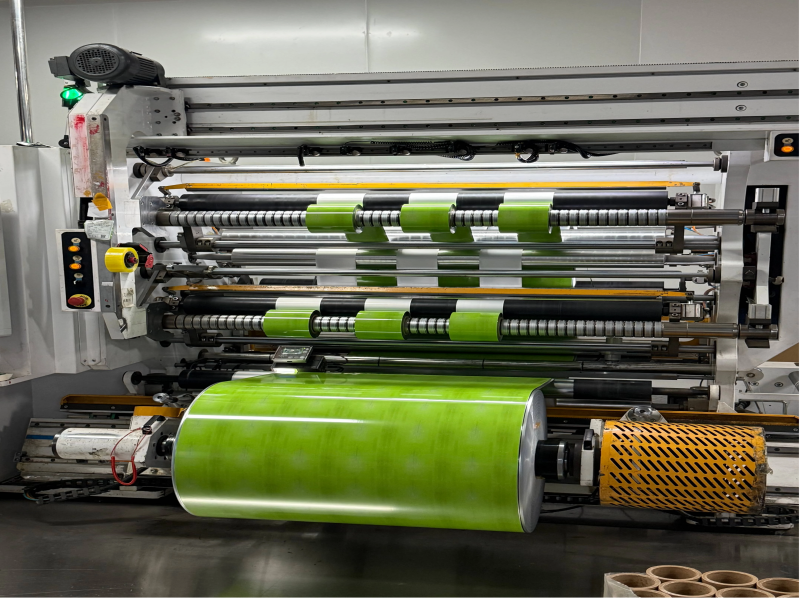
PROA helps customers plan this transition based on their flexible packaging pouch goals, order quantities, and delivery timeline. By selecting the right printing method for each production stage, businesses can shorten product development, control packaging costs, and reduce the risk of ordering large volumes before a design has been fully validated. A well-planned hybrid strategy gives food manufacturers the confidence to grow from product sampling to mass production while keeping both budget and lead time under control.

President of yaen Import and Export Materials Manufacturer | 25 Years' Industrial fabrics manufacturer, professional production team, strict online and offline inspection method, makes DER products well distributed to more than 100 countries all over the world.