
 EN
EN
 EN
EN
Once you take a food spout pouch off the shelf of a retail store, it seems simple and easy to use. However, one thing that the majority do not know is that there was a long list of testing that had to be done for the pouch to get on the shelf. The quality food spout pouch should have the ability to withstand dropping, pressurization, temperature fluctuation, and normal handling without leaking or rupturing. For instance, a food spout pouch full of baby puree or fruit juice can go through several packing, shipping, stacking, and transportation before it gets to the buyer's hands. In order to ensure the safety and reliability of the packaging, PROA conducts several factory tests for each food spout bag.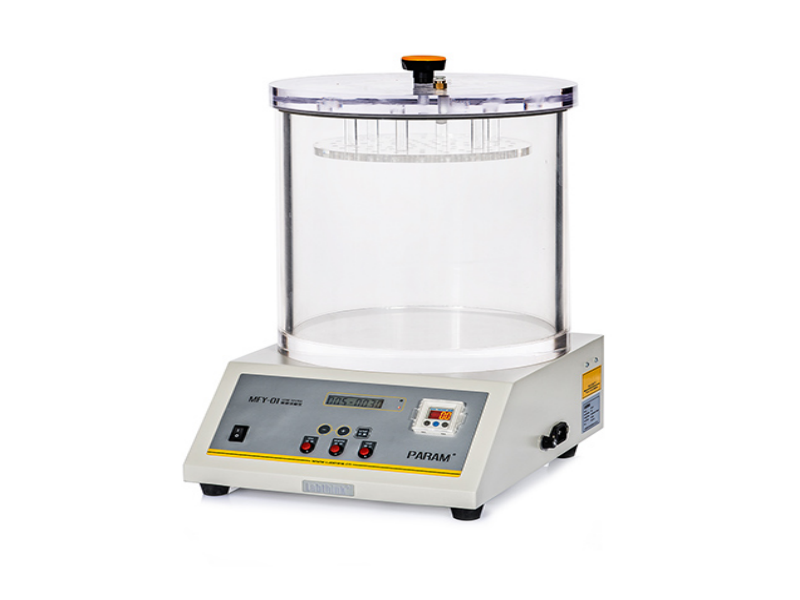
Dynamic drop tests simulating real transport shocks.
A food spout pouch may travel hundreds or even thousands of kilometers before it reaches a customer's hands. During that trip, it can be dropped by warehouse staff, shifted inside delivery trucks, or knocked against other packages. That is why dynamic drop testing is an important part of the quality inspection process.
Instead of simply dropping an empty pouch once, manufacturers fill the pouch to its intended capacity before testing. This creates conditions that are much closer to real use. At PROA, filled food spout pouches are dropped from a height of 1.2 meters onto a hard surface. The test is repeated from different angles, including the bottom, side, top, and the area around the spout. Each impact checks whether the seals stay tight, the pouch material remains intact, and the spout stays firmly attached.
The purpose of this test is not to prove that the pouch is indestructible. Real transportation involves many unexpected bumps and impacts. The goal is to confirm that the packaging can handle normal shipping conditions without leaking or losing its protective barrier.
Think about a carton of fruit puree being delivered to a supermarket. Workers may move the boxes several times between the factory, warehouse, truck, and retail shelf. A single accidental drop should not cause the pouch inside to burst or leak. If the package fails during transport, the result could be wasted food, damaged products, and unhappy customers.
Dynamic drop testing helps identify weak points before production batches leave the factory. By checking the pouch under realistic handling conditions, manufacturers can improve seal strength, material selection, and overall package durability. This gives food brands greater confidence that their products will arrive in good condition, even after a demanding journey through the supply chain.
Repeated compression tests for stacking durability.
During storage and transportation, food spout pouches are rarely sitting on their own. They are packed inside cartons, stacked on pallets, and placed under the weight of many other boxes. If the packaging cannot handle this pressure, the pouch may lose its shape, develop weak seals, or even leak before it reaches the customer. Repeated compression testing helps make sure this does not happen.
To carry out the test, filled pouches are placed under controlled pressure that copies the weight they would experience in warehouses, shipping containers, and retail storage. Instead of applying force just once, the packaging goes through multiple compression cycles. This repeated loading gives engineers a better picture of how the pouch performs after days or weeks of stacking and handling.
The test looks at several key areas. The seals are checked for any signs of separation, the spout is inspected to make sure it remains securely attached, and the pouch body is examined for cracks, wrinkles, or permanent damage that could affect performance. Even small changes can reveal areas where the design or material needs improvement.
A simple example is a shipment of ready-to-eat sauces stacked several boxes high during overseas transport. The boxes at the bottom may support hundreds of kilograms for an extended period. If the pouches cannot withstand that pressure, damaged packaging can lead to product waste, extra costs, and delays for retailers.
Repeated compression testing helps prevent these problems before products leave the factory. It gives manufacturers confidence that the pouches will keep their shape, protect the food inside, and stay leak-free throughout storage, shipping, and display. By recreating the pressure that packaging faces in the real world, the test confirms that each food spout pouch is ready for the demands of the supply chain.
Seal integrity verification after extreme stress
A food spout pouch can survive a drop or heavy stacking, but that does not automatically mean it is ready for the market. The most important question comes after these tough tests: does the seal still protect the food inside? Seal integrity verification is the final check that confirms the package remains secure even after being exposed to repeated stress.
Once the drop and compression tests are complete, each sample goes through careful inspection. The heat-sealed edges, spout connection, and cap area are examined for tiny leaks or signs of damage. Some pouches are filled with air and checked for pressure loss, while others are tested with water or colored liquid to spot leaks that may not be visible to the eye. Even a very small opening can allow air, moisture, or bacteria to enter, which may reduce product quality and shelf life.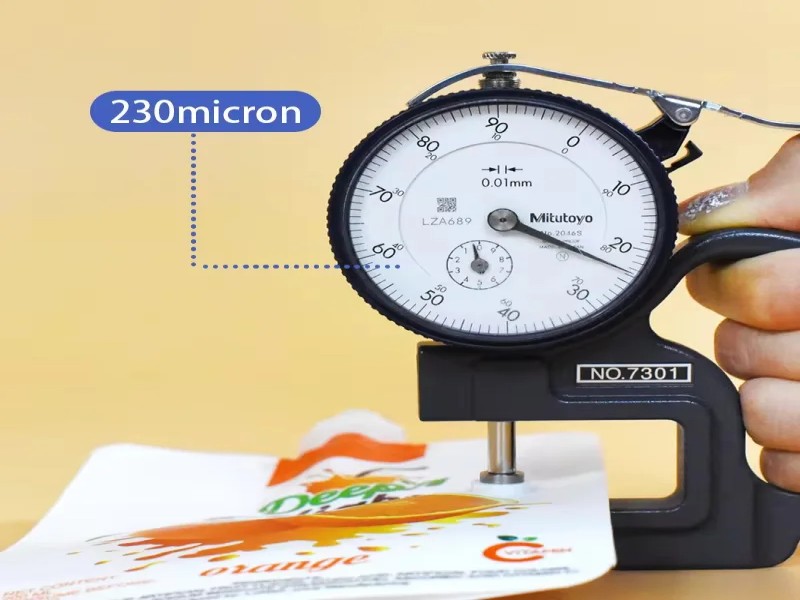
This inspection is especially important for products such as baby food, yogurt, fruit puree, and liquid seasonings. These foods depend on strong, reliable packaging to stay fresh from the filling line to the customer's kitchen. A seal that weakens after transportation could lead to spoiled products, customer complaints, and unnecessary waste.
Imagine a family buying a spout pouch packaging of applesauce for a road trip. The package may have already been loaded, unloaded, stacked, and moved several times before it reached the store. Thanks to seal integrity testing, the family can open the pouch with confidence, knowing it has remained tightly sealed throughout its journey.
By checking seal performance after extreme stress, PROA confirms that the pouch has not only survived demanding tests but has also maintained its ability to protect the food inside. This final step helps ensure every pouch leaves the factory ready to handle the challenges of shipping, storage, and everyday use without compromising safety or quality.

President of yaen Import and Export Materials Manufacturer | 25 Years' Industrial fabrics manufacturer, professional production team, strict online and offline inspection method, makes DER products well distributed to more than 100 countries all over the world.