
 EN
EN
EN
EN
June 24 - Plastic bags, wraps and pouches are among the world’s most polluting packages, yet they’re also among the hardest to recycle or replace, a problem companies are increasingly being forced to confront.
A raft of new laws aimed at tackling flexible plastic waste is set to take effect. In Europe, by 2030 much flexible plastic packaging – including for food – must contain minimum levels of recycled content. In England, councils must start collecting plastic films and bags from household recycling bins in March 2027. In California, businesses are facing pressure to boost flexible plastic recycling as the state targets a 65% recycling rate for single-use plastic packaging by 2032.
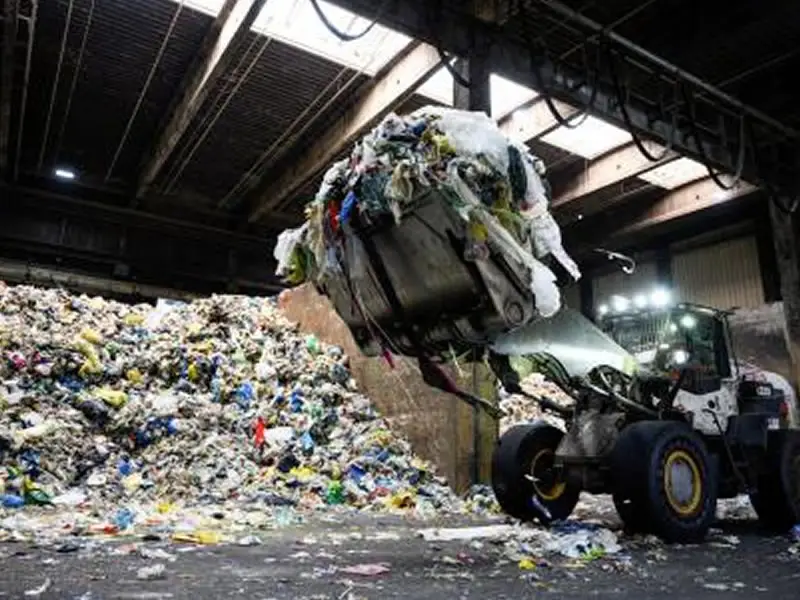
In response, companies are redesigning packs so they are easier to recycle, backing advanced recycling technologies and researching alternatives to plastic. But all these efforts face major hurdles. Recycling flexible plastics still lacks the infrastructure and end markets needed to work at scale. Replacements are often heavier, more expensive and less resilient.
Given these limitations, many companies are looking to recycling technologies. Belgium, France, Germany and other European countries have for decades collected plastic bags and films from households and sorted them from other recyclables for traditional mechanical recycling, in which plastic is cleaned, shredded and remelted into new pellets.
While mixed plastic waste is commonly turned into decking and furniture, over the past decade recyclers in Europe have begun separating plastics by type, so these can be used to make products including trash bags and drainage systems, said Mike Jefferson, technical director at the Circular Economy for Flexible Packaging initiative, an industry consortium.
Europe is now creating incentives for companies to find new markets for recycled plastic. From 2030, many plastic packages used for products like food, cosmetics and detergents, except those made from PET plastic, are expected to include at least 10% recycled plastic, while other plastic packaging will need 35%. By 2035, companies will also have to show that their packaging is being recycled at scale. That means there must be collection bins, sorting facilities, recyclers that can handle the material, and buyers for the recycled plastic.
“The important thing is that it changes the economics because you have to do this, otherwise your packaging cannot go on the market,” says Jefferson.
The company boasts a 40,000 m² production base, a 10,000 m² dedicated clean workshop, and a team of over 300 employees. Our equipment includes 3 high-speed printing presses, 3 high-speed dry laminators, 1 solventless laminator, 10 high-speed bag-making machines, and automated tube-making equipment, with a daily output capacity of over 2 million stand-up pouches — demonstrating strong production and delivery capabilities.
06 Aug,2026
09 Jul,2026
29 May,2026
29 May,2026
 EN
EN